Walk Broadway on a Friday night and you can hear the city before you see it. Kick drums pulse from open doors, brass lines tumble out of side streets, voices crest and fall like a tide. Saratoga Springs is small enough to know your bartender and big enough, at least on weekends, to feel like a little music capital. The draw is not just one type of night. You can slide into a dark booth for house and techno, or lean against a stage monitor while a six-piece horn band tears into a Stevie Wonder cover. Many locals pick venues based on the mood they want, not the genre. That flexibility is the city’s real trick.
I’ve spent the better part of a decade bouncing between Saratoga gigs, from late sets that end after last call to matinee porch sessions that lure you in with a pedal steel and a cold lager. Certain patterns keep showing up. Good rooms respect their sound engineers. Smart venues stagger set times with a DJ to keep the energy between bands. And crowds here range from horse racing regulars to SUNY students to thirty-somethings with a babysitter on the clock. If you’ve ever searched “nightclub near me” and felt burned by bait-and-switch cover bands or a cramped floor, Saratoga’s mix of rooms gives you a fighting chance at the night you actually want.

Where the beat lives: DJ-driven rooms that sweat the details
The quickest way to learn a DJ room is to stand near the booth and look at the deck. Quality gear is a tell. If you see Pioneer CDJs with timecode and a rotary mixer, the management cares about the signal path. If you see a Bluetooth dongle dangling off the back, keep your expectations modest. Saratoga’s better DJ spots tend to have someone on staff whose full-time job is the sound system. That person deserves a Christmas card.
On dance-heavy nights, doors open with a warm-up set that sits twenty beats per minute under the headliner’s tempo. The room fills, the low end breathes instead of thuds, and bartenders can still hear your order. Around midnight, the headliner leans into the system. When the sub frequencies travel through the floor instead of clouding the air, you know you’re in a room tuned by someone with math and ears. People who search for a “nightclub in Saratoga Springs” on a summer Saturday will find the line outside forming by 10:30 pm. Once inside, you might get tech-house with clean transitions, or a mashup set that throws a Fleetwood Mac vocal over a four-on-the-floor. The crowd rarely complains as long as the energy climbs and the cue points are tight.
A few nights back, a local DJ I’ve followed since his college radio days opened with a run of disco edits that felt like a love letter to Chic. He gave each breakdown room to breathe, then slipped in a contemporary bassline so the track sat in 2025, not 1979. The floor went from nodding to full hands-up inside three tracks. That sort of progression is craft, and it separates predictable bar playlists from a true nightclub.

These DJ rooms also do the unsung work: coat checks on cold nights, water pitchers on the bar, staff who keep an eye on overheated dancers and steer them toward the patio instead of the curb. You notice these details at 1:45 am when you still have space to move, the lights are not punishing, and the DJ is playing one last track because the manager gave a nod that says, you’ve earned it.
Bands that bring it: the live music venue scene
The other half of Saratoga’s nightlife heartbeat comes from live music venues that treat their stages like altars. The rooms vary. One space is a narrow brick box with a tough angle for the backline but surprisingly even sound. Another is a converted restaurant with a wide stage, easy sightlines, and a balcony spot that regulars claim early. If you want “live music near me” and need a band that can cover Springsteen, Stones, and a dash of Dua Lipa without irony, Saratoga has options every week.
You’ll hear straight-ahead rock from touring acts trying to stretch routing between Boston and Buffalo, bluegrass pickers who can turn “Big Sciota” into a dance track with nothing but hands and strings, funk outfits with horn sections that have shared charts for years, and songwriter nights where the quietest line gets the biggest cheer. On a strong weekend, you can catch an early two-set show with a folk trio, grab a slice, and walk three blocks to a late funk night that runs until last call. That geographic compactness is Saratoga’s cheat code. You can venue-hop without losing the thread of your evening.
Let’s talk practical. Good live music rooms post set times and mostly stick to them. Sound checks finish before doors. You’ll see a stage plot taped near the monitor desk. The drummer’s kit sits on a rug that has seen more miles than your car. Bands who know the room will adjust. Guitarists bring smaller amps and mic them, not because they lack volume, but because the mix breathes better. Singers ask for a little more reverb in the wedge, just enough to feel it without washing out. These tiny choices add up to a night where the back row hears every lyric without losing their hearing.
One Wednesday, I caught a soul band that leaned heavy into Memphis grooves. The frontman, a former high school choir director, worked the crowd like he was teaching parts. He split the room into call-and-response sections, made eye contact with the horn players at every hit, and punched a break so clean I spilled half my drink. After the set, I asked him about the arrangement. He grinned and said they shaved eight bars off the bridge because Saratoga crowds like the release sooner. That’s a band paying attention.
When the city switches seasons
Saratoga Springs runs on horses, but the music calendar has its own rhythm. Track season swells the population every summer. Suddenly, a Tuesday night looks like a weekend. You’ll see polo shirts near sequin dresses near denim vests. During these weeks, venues add late shows and pull in touring DJs who can sell a room with nothing but a flyer and a rumor. If you prefer a little breathing room, spring and fall weekends are gold, especially for locals who know to slip in before the out-of-towners return. Winter tightens the scene, but it doesn’t go quiet. Holiday funk marathons, New Year’s DJ showcases, and songwriter residencies keep the calendar warm even when the sidewalks aren’t.
The weather changes the floor too. On humid summer nights, staffs are quick with water and keep the patio open. In February, coat checks and warm lighting matter. Venues that shift their hospitality with the season keep regulars. This is not academic. I remember a January show when the staff moved a space heater toward the line outside every ten minutes. No one forgot that.
The art of the handoff: DJs and bands under one roof
Some of the best nights in Saratoga happen when DJs and bands share the bill. It is not enough to stack a live set and then throw a DJ on stage like an afterthought. The handoff matters. Smart rooms coordinate tempos and keys so the DJ can loop a band’s last vamp and pivot into a track that feels like the same song evolving. If the band ends their set at 100 bpm, the DJ might start with a syncopated house tune at 102, then climb slowly to 120 over twenty minutes. The dance floor never breaks.
I watched a local quartet wrap a set with a lush, delay-soaked guitar line. The DJ grabbed it in the booth, filtered the highs, and laid a drum machine underneath. For thirty seconds, no one noticed the baton pass. Then the hi-hats kicked in, and the whole room moved. Bands love that respect, DJs love the challenge, and the crowd gets a night that refuses to sit still.
Sound and space: why one room feels better than another
Every venue fights physics. Low ceilings bounce midrange. Concrete floors reflect high frequencies. Brick walls look good and eat vocals for lunch. The fix is not always expensive. A few panels of acoustic treatment can turn a shouty room into a place where you hear the ride cymbal without flinching. I’ve seen a club move subwoofers six feet and change the entire character of the low end. If you walk into a room and feel like the sound is hugging you instead of slapping you, someone did math and listened.
Capacity matters too. A room that holds 200 but books a band that draws 350 is asking for a fire marshal and a bad Yelp review. The best nights I’ve had in Saratoga happen slightly under capacity. There is airflow, bartenders can work two deep without panic, and dancers have space for elbows without throwing bows. It is tempting to chase the biggest possible crowd. Long-term, venues that protect their space earn regulars who keep the lights on in February.
Choosing your night: signals that matter when you’re scanning options
If you’re new to town or you’ve been away for a while, you can still pick a winner with a little detective work. Flyers with clear start times, a list of supporting acts, and a small line about the sound system are good signs. So are venues that respond to social media questions about accessibility, noise levels, and set length. Nobody needs a dissertation, but a Sunday afternoon acoustic set should look different from a Saturday midnight DJ showcase.
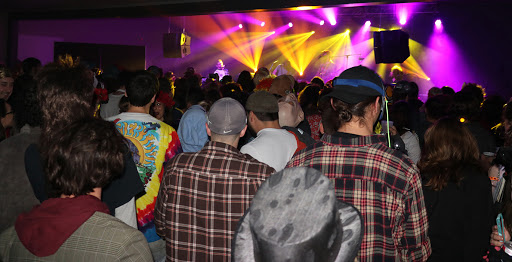
Here is a quick snapshot of what I look for when I decide where to go.
- Calendar patterns: a room that books DJs on Fridays and bands on Saturdays is thinking about flow. Repeats like a monthly funk residency are a great bet. Technical clues: mentions of a dedicated FOH engineer, posted stage plots, or gear lists hint at a venue that takes sound seriously. Hospitality tells: clear cover charge, door times, and coat check info show respect for your night and your wallet. Community: collaboration with local breweries, food pop-ups, or charity nights often means a crowd with good energy. Flexibility: venues that list quiet hours policies and patio options usually navigate late-night rules without drama, which makes last call better for everyone.
The crowd sets the tone
Rooms inherit their audience, but they also train them. A venue that enforces a light-touch, no-phone-on-stage policy during songwriter nights earns artists who bring their best work. A nightclub that posts expectations around respectful dancing and gives staff the authority to act quickly will attract people who come to move, not menace. Saratoga has a reputation for friendly floors. You will still see the occasional bachelor party trying to annex the dance space or somebody filming with a light that could land a plane. The difference is how fast the room corrects. I watched a bartender hand a bachelorette a disposable camera with a smile and a line about how the dance floor looks better in film grain. Ten minutes later, the phone flashlight was gone.
Age ranges here span twenty-one to sixty. Mixed crowds have a way of moderating themselves. Younger dancers learn to tip and share space. Older fans rediscover the joy of a late night that doesn’t feel like a slog. If you are worried about the vibe, arrive on the early side and let your first half hour decide the rest.
When you need a quieter corner
Even on a high-energy night, it is nice to talk without shouting. The smarter rooms carve out spaces where the music decays just enough for a conversation. That might mean a stairwell landing with a sound baffle or a side patio where you can still feel the kick drum through the wall. These spaces build loyalty. I have closed more deals and made more friends leaning on rails in those quiet corners than I’ve ever made yelling into a stranger’s ear near the sub stack.
If your plan is a date night with a short walk to a dance floor after, start at a lounge that will not steamroll your conversation. Order something stirred, watch the door, and move when you’re ready. Proximity is one of Saratoga’s gifts. You can leave a soft-lit room and be under strobes in four minutes flat.
The late-night arc: managing your energy
A good night out is a story, not a sprint. The opening chapter is your arrival. If you show up to a live music venue before the opener, you get bar space, time to chat with the staff, and a clean read on the sound check. You also keep your stamina. The middle chapter is your dance or your lean-on-the-rail. This is where you drink water, not because someone told you once, but because dehydration is a thief. The final chapter is a landing. Whether that is a slice, a diner booth, or a quiet walk, give your ears a chance to reset. Tinnitus loves heroes. Bring earplugs that lower volume without smashing the mix. If you forget, some venues sell them at the door for a few dollars. That might be the best purchase you make all month.
How touring acts fit the Saratoga puzzle
Routing matters. Saratoga sits within a comfortable drive of Albany, Troy, Schenectady, and the western Massachusetts college circuit. Bands roll through between weekends in bigger rooms, and they often arrive hungry to play. The shows feel like bonus dates, with set lists that breathe. I’ve seen touring bands try out new material in Saratoga because the audience listens. If you hear a song that feels raw and a little risky, consider that you might be watching it find its shape.
DJs land here between New York City and Montreal. The ones who thrive are the crate diggers who can read a mixed crowd. A rigid techno set will light up a niche room, but on a Saturday with a general audience, the winners blend eras and keep their floor without pandering. Watch their hands. Fast, nervous fader moves usually mean the DJ is chasing the room instead of leading it. Calm hands, long mixes, and smart EQ changes are a good omen.
The search: making “nightclub near me” useful instead of random
Online search is only as good as the cues you give it. If you type “nightclub near me” at 10 pm on a Saturday in Saratoga Springs, you will get a grab bag of results. Improve your odds with a few targeted filters. Include the genre you want, add “set times,” and toss in the city name. If you prefer live bands, swap “nightclub” for “live music venue,” which pulls in rooms that emphasize stages over DJ booths. The phrase “live music near me” tends to surface event calendars and social posts with current details. Cross-check with the venue’s own page. If the latest post is from last year, treat it as a red flag. If the page shows tonight’s lineup with door time and a poster that credits the sound engineer, that is a green light.
One quick tip: call for cover charge info when the calendar is vague. A ten-dollar difference, especially for a group, changes where you start your night. Polite questions get polite answers, and you will learn how the door team treats people long before you arrive.
The staff are the backbone
It is easy to romanticize the stage and the booth. The people who make nights work are the door team who check IDs with a smile, the bartenders who dodge elbows while keeping count, the barbacks who make glassware multiply, and the sound and lighting techs who waltz through problems you never see. Tip them. Thank them. If you have a complaint, phrase it as a question. “Is there a cooler spot near the back?” tends to get you moved to the exact corner you wanted. I have watched owners remember names and prefer regulars who respect the room over high rollers who treat it like a disposable backdrop. That is how you get a city where a scene outlasts trends.
Safety and the unglamorous stuff that keeps a good night good
Good rooms plan for worst-case scenarios and make sure you never notice. They train staff to spot over-service early, keep water accessible, and coordinate with local rideshares so the sidewalk at 2 am is organized chaos, not a hazard. Friends look out for each other. If someone disappears into the crowd, pick a checkpoint and a time. If a stranger is bothering you, tell staff. Saratoga venues I trust treat those moments as mission-critical. Nobody wants a blow-by-blow of safety protocols, but it is worth saying that the best nights feel free because people do the work.
Why Saratoga keeps surprising me
Cities this size are not supposed to sustain both a credible club culture and a touring-band circuit with depth. Saratoga does, and not by accident. The college pipeline brings fresh ears. The track brings disposable income and the need for joy. The locals bring patience and pride. Owners collaborate more than they compete. You will hear a bartender recommend another room if their own is full. I have seen a DJ cut his set fifteen minutes short so the band after him could get their whole encore. That spirit keeps the scene from calcifying into cliques.
If you are planning a night here, pick a focal point and let the rest unfold. Start with a band whose name you recognize at a live music venue that posts clear set times and has a reputation for clean sound. Or start with a DJ you have only heard about and commit to the floor for a half hour before you judge. If the energy is good, stay. If not, take a short walk and try the next door with a line and a hum. Saratoga is compact enough to reward curiosity.
And if you are reading this from a hotel, phone in hand, searching “nightclub in Saratoga Springs,” you are close. Look up, listen for a bass line that feels like a heartbeat you want to borrow, and follow it. nightclub Saratoga Springs NY Nights here belong to the people who show up, who tip well, who cheer for openers, who ask sound techs about their gear, who treat door staff like the pros they are, and who understand that the best encore sometimes happens two blocks away.
A few personal favorites to shape your route
No two weekends hit the same way, but patterns do help. I keep a short map in my head, and it has saved more than one out-of-town friend from a middling night.
- Start early with an acoustic or songwriter set when you want conversation and melody, then pivot to a dance room after 11 pm when the floor peaks. For a birthday or big group, pick a venue with posted capacity and a history of line management, then arrive before 10 pm to secure space without crowding regulars.
The rest is instinct and a willingness to try something new. Saratoga rewards that. I have stumbled into jaw-dropping jazz solos in a room better known for indie rock, seen a house DJ break a room with a gospel sample, and watched an audience of strangers sing a chorus so loud the band stopped playing just to listen. Those are not outliers. They are the reason people keep asking friends for the best “live music near me,” then circling Saratoga on the map.
Parting notes for better nights
Save your ears. Bring cash, even if most doors take cards, because a fast cash line preserves your patience. Keep a backup plan in case your chosen room hits capacity. Share space. Ask the DJ their name and tag them later. Buy merch from the band, especially if the van outside looks like it made it here on hope and duct tape. And walk Broadway without headphones on your way in. You might hear the night choosing you before you choose it.
Saratoga Springs will give you a club night where the DJ’s last track hangs in the air like a secret, a live band that sends you into the street humming, or a blend of both that makes time slippery. If you are chasing the feeling that made you love nights out in the first place, this city has a habit of delivering.